Good care starts with being heard.
Dental hygiene is the practice of keeping your teeth and gums clean. The bacteria that cause tooth decay live on the surfaces of your teeth.
 16 St James' Square, NP25 3DN
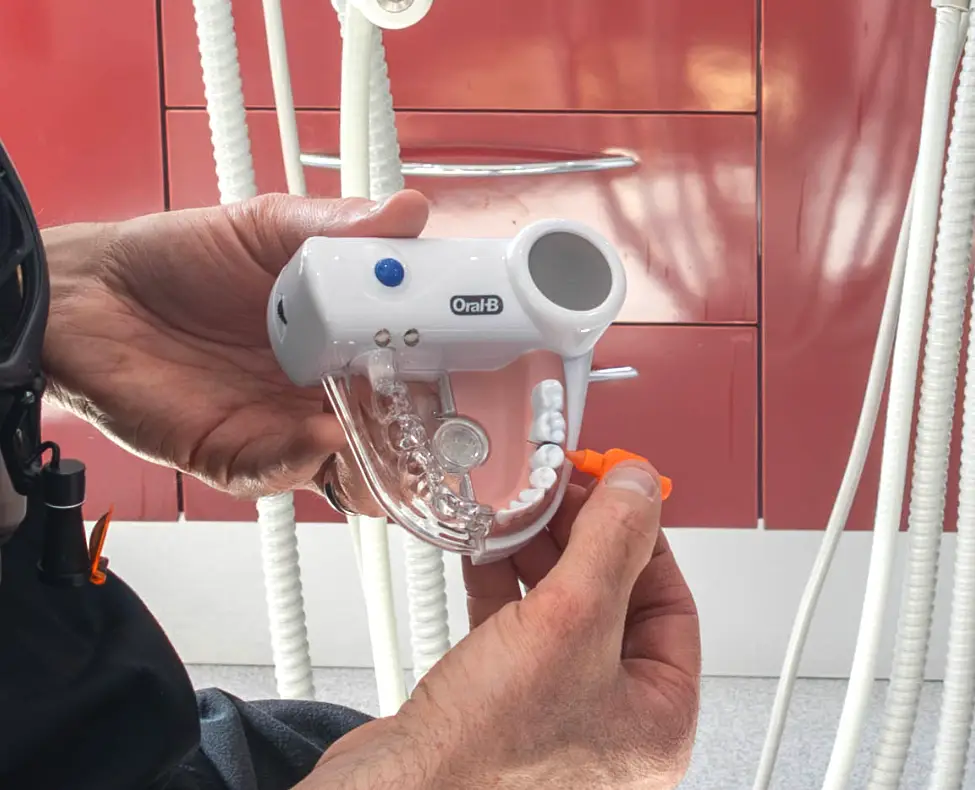
Brush & floss regularly to keep your teeth & mouth healthy
Your mouth deserves to receive professional care and it’s also important to emphasise that hygiene therapy may also reduce the risk of developing several serious medical conditions, especially as research links gum disease to arthritis, heart disease, strokes, diabetes, dementia and premature births.
A staggering 90 per cent of us suffer from gum disease at some point in our lives but with good dental care the risks can be easily controlled.
How to take care of your teeth
Why is dental hygiene important?
Dental hygiene is important for many reasons. It can prevent diseases, such as tooth decay, and it can improve your smile. In addition, good dental hygiene habits can help you avoid paying for expensive dental treatments later on.
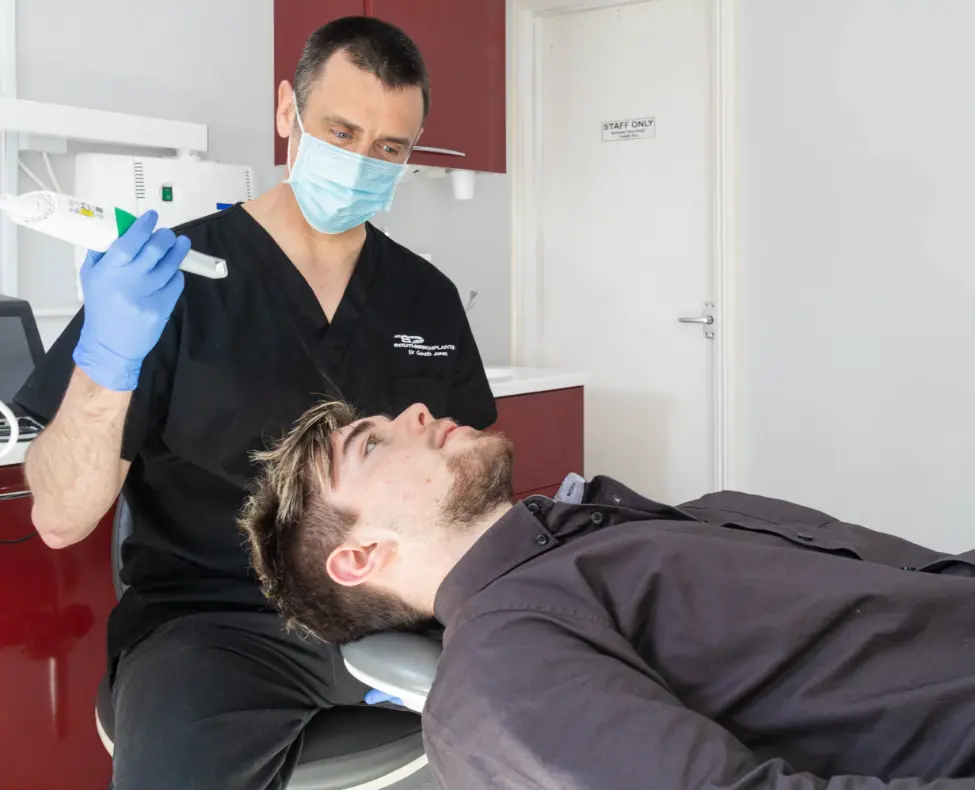
What happens during a dental hygiene appointment?
Your hygienist will assess your gums and clean your teeth to remove plaque and hardened tartar. They’ll also offer practical advice to help you care for your teeth and gums at home.
Is dental hygiene treatment uncomfortable?
Let your hygienist know if you have sensitive teeth or feel nervous about treatment. They can discuss ways to make your appointment more comfortable and give you breaks when needed.
How often should I visit the hygienist?
The recommended frequency depends on your gum health and individual needs. Your dentist or hygienist will advise you on a suitable schedule to help maintain your oral health.