Root Canal Therapy in Monmouth
Excerpt Treat infection and help preserve your natural tooth with root canal therapy at Monmouth Dental Practice. Our private dental team offers personalised advice and care to help you return to a more comfortable smile.
 16 St James' Square, NP25 3DN
Treat tooth infection and help save your natural tooth.
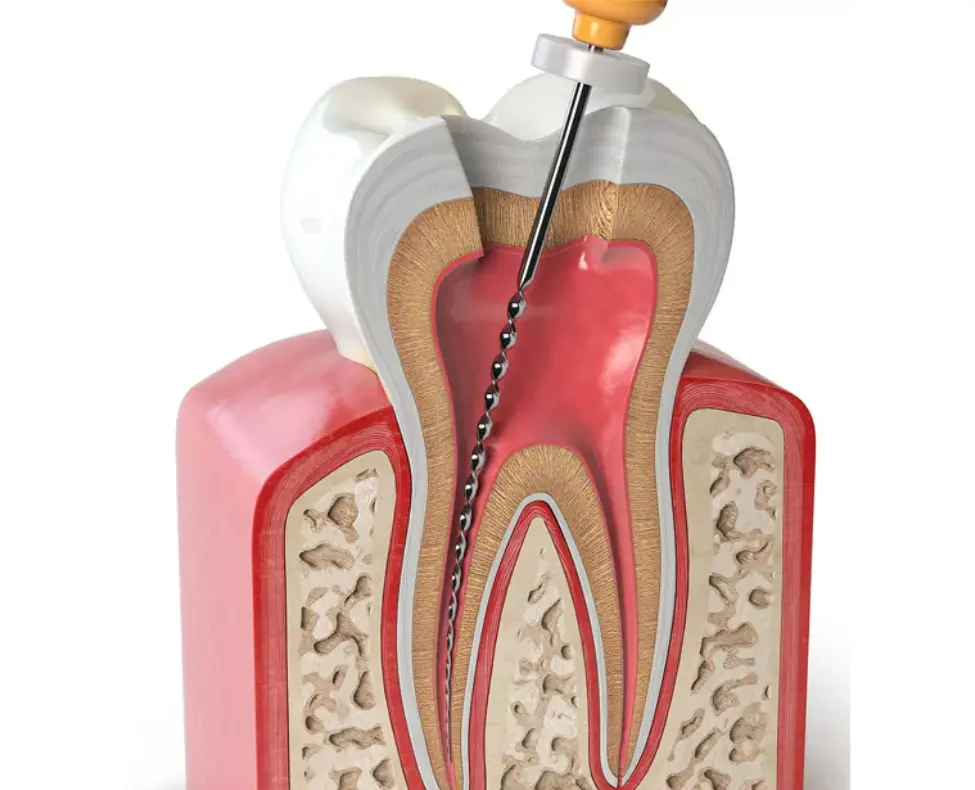
Root canal therapy, also called root canal treatment or endodontic treatment, treats inflamed or infected tissue inside a tooth. This soft tissue, known as the pulp, contains nerves and blood vessels and can become damaged through deep decay, cracks or injury.
Treatment involves removing the affected pulp, cleaning the root canals and filling and sealing the space. At Monmouth Dental Practice in Monmouth, Wales, we assess your tooth and explain whether root canal therapy is suitable, including whether a specialist referral would be appropriate.
When might you need root canal therapy?
Get advice about your tooth
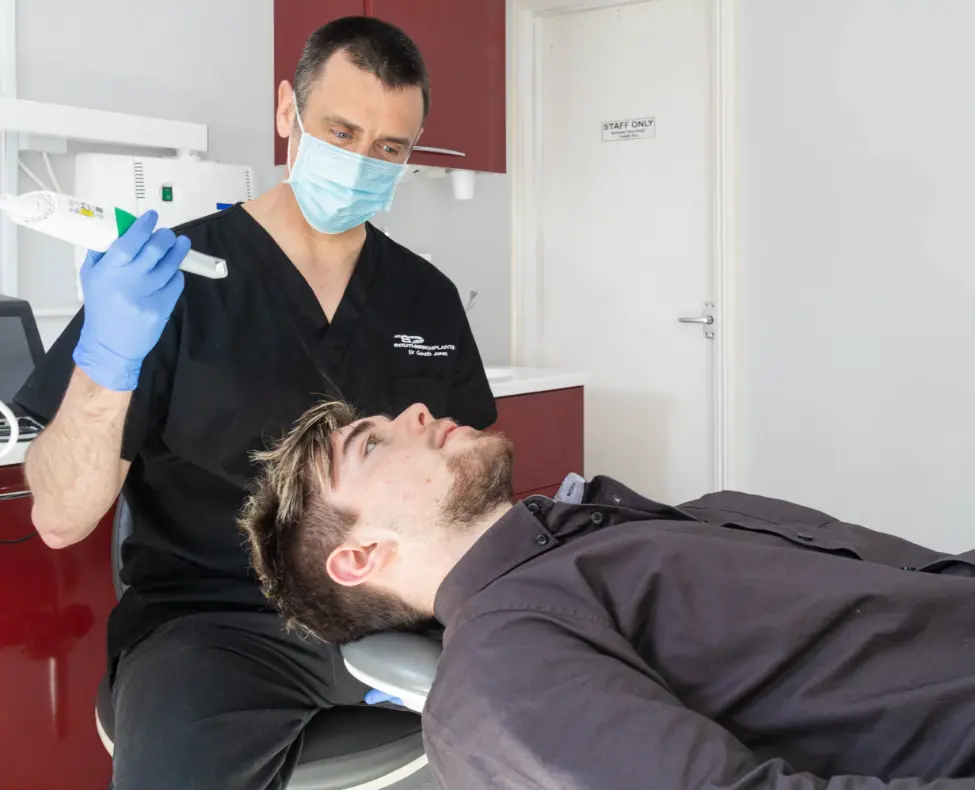
If you have tooth pain or have been advised that you may need root canal treatment, contact Monmouth Dental Practice. Our private dental team in Monmouth will assess your tooth, discuss your options and explain the next steps.
Is root canal treatment painful?
Local anaesthetic is usually used to numb the tooth and surrounding area during treatment. Some tenderness afterwards is possible. If you feel nervous, let your dentist know so they can discuss your concerns and help you feel more comfortable.
How many appointments will I need?
Treatment may require more than one appointment, depending on the tooth and complexity of the root canals. A temporary filling may be placed between visits. Your dentist will explain the likely schedule following your assessment.
Will I need a crown after root canal therapy?
Some teeth need a crown afterwards to help protect the remaining tooth structure. Others may be restored with a filling. The recommendation depends on the tooth’s position, condition and how much healthy structure remains.
Is root canal treatment suitable for every infected tooth?
Not always. Your dentist will assess whether the tooth can be predictably treated and restored. If it cannot be saved, extraction may be recommended. More complex cases may benefit from assessment by an endodontist, a dentist specialising in root canal treatment.